


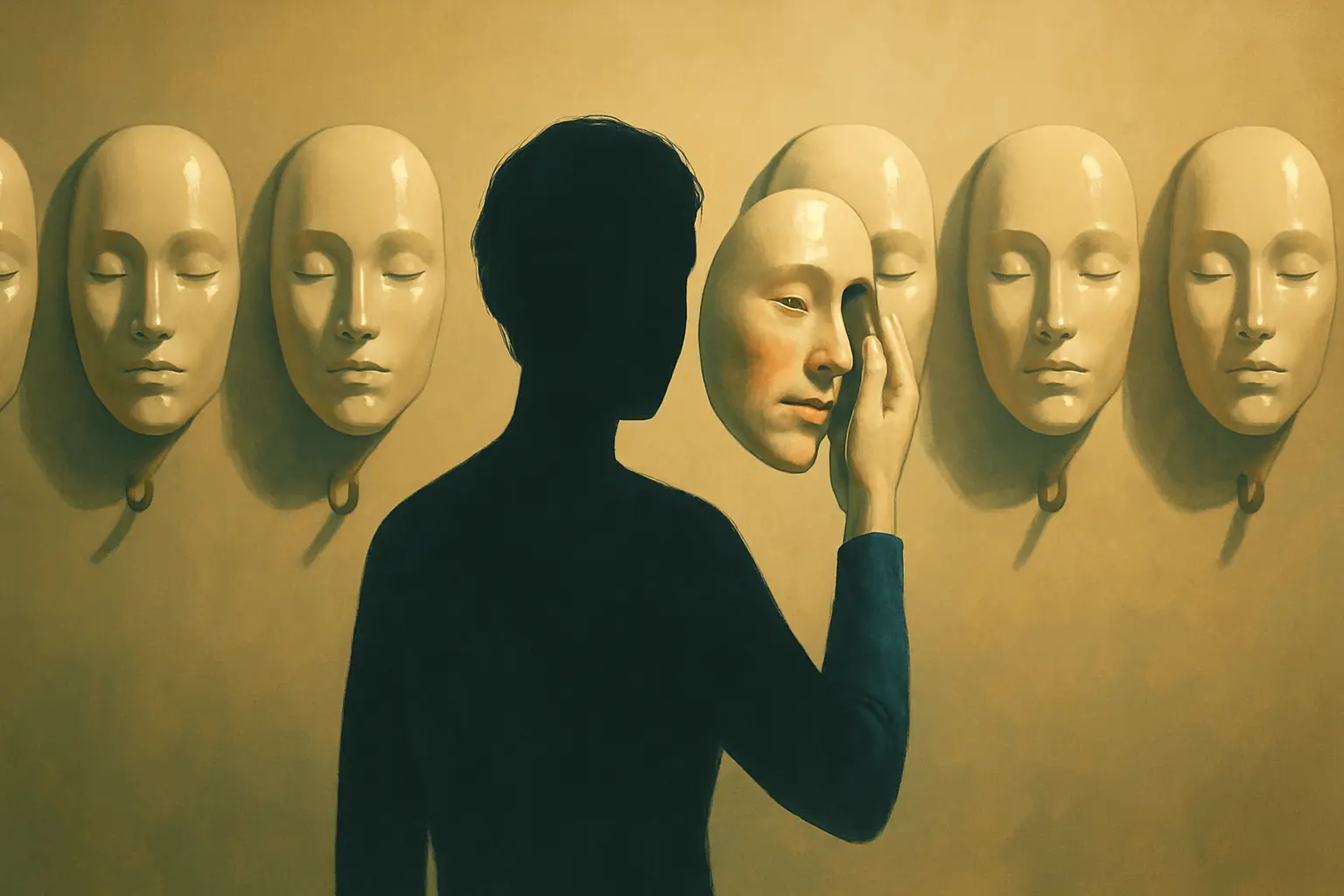
“Uglies” on Netflix: an aestheticized dystopia and its implications for mental health and body image
Perfection at any cost: what this fiction tells us about identity, anxiety, and the body—and how to protect ourselves.
Netflix’s adaptation of “Uglies” raises an uncomfortable question: what happens to our mental health when physical perfection becomes a condition for belonging? Specifically, the story imagines a society where radical surgeries “harmonize” young people at the expense of their identity, autonomy and diversity. Here, we therefore analyze the clinical keys (body image, anxiety, social control) and finish with practical steps for everyday life.
Bodily uniformity: aesthetics as the supreme value
In the story, at a certain age young people go from “ugly” to “perfect” through invasive procedures. This mass “yassification” shifts the focus toward appearance as a measure of worth, creating a homogeneous ecosystem where difference is experienced as a threat.
Psychological effects of extreme standards
- Chronic body dissatisfaction → greater risk of anxiety, depression, and eating disorders.
- Body dysmorphia: the mirror as a source of distress (perceived flaws that others do not see).
- Identity subordinated to the “aesthetic norm” → alienation and self-esteem dependent on social approval.
WOW · When standards are unattainable, dissatisfaction and symptoms (eating disorders, anxiety, mood) increase. Constant exposure to unrealistic ideals also acts as an “amplifier” of distress.
Perfection as control: group pressure and conformity
Offering “perfection” as a passport to acceptance activates a powerful mechanism of conformity: autonomy is limited, difference is punished, and subjectivity is colonized. In clinical terms, the result is social hypervigilance and rumination (“do I fit in?”) that fuel insomnia and anxiety.
Today’s cultural mirror: filters, social media, and the operating room
Although “Uglies” is a dystopia, it resonates with a present where filters, retouching and cosmetic procedures are normalized. For example, among young people, the bombardment of curated images reinforces comparison and evaluative perfectionism (“nothing is enough”), fertile ground for distress.
Changing the conversation: diversity, self-compassion, and boundaries
Contemporary mental health draws on body diversity, self-compassion and resilience. That is why, in the consultation, we work on identity beyond the mirror, skills for questioning unrealistic ideals, and habits that deactivate the comparison cycle.
Practical keys to watching “Uglies” through a mental health lens
- Name the artifice: ask “what has been retouched/choreographed here?”
- Separate worth from appearance: list qualities unrelated to appearance that do define you.
- Curate your feed: mute accounts that trigger comparison; add diverse role models.
- Language at home: fewer comments about bodies, more about effort and specific achievements.
- Timely help: if there is restriction, binge eating, vomiting, or compulsive exercise, seek professional advice without delay.
A 10-day “kinder body image” plan
Day 1
Prune your feed: remove 10 accounts that trigger comparison; add 5 diverse ones.
Day 2
A 2′ mirror duel: describe without judgment (color, shape) + 1 quality unrelated to the body.
Day 3
Breathing for 5′ (long exhales) at nightfall to reduce rumination.
Day 4
A day without comments about bodies at home; talk about processes and efforts.
Day 5
Move your body for 20′ for function (energy/mood), not aesthetics.
Day 6
Kind clothing: choose 1 item that adds comfort and freedom of movement.
Day 7
Time away from screens 90′ before bed (improves sleep and mood).
Day 8
Mindful eating for 10′ (without your phone), noticing hunger, fullness, and pleasure.
Day 9
Write your manifesto in 3 lines: I am worthy because… (without mentioning aesthetics).
Day 10
Review: Less comparison? Better sleep? Keep what worked.
Quick questions (FAQ)
Can watching “Uglies” worsen my body image?
It depends on the context. If you compare yourself or have preexisting symptoms, it may trigger distress. Use it as a critical mirror (name the artifice, look after your feed), and seek professional support if risky behaviors appear.
How do I discuss this with my teenage child?
Less “body,” more process: efforts, values, and healthy boundaries. Also ask open-ended questions (“how does this series make you feel?”), and agree on rules for screens/following accounts.
When should I seek help?
If there is restriction/binge eating/vomiting, compulsive exercise, intense anxiety, depression, or functional impairment. Early intervention improves the prognosis.
Is it “bad” to take care of yourself physically?
Taking care of yourself is not the problem. What is harmful is having self-esteem depend only on appearance or pushing ourselves to the limit to meet an unrealistic ideal. Goal: health and function, not perfection.
Recommended reading: research on body image and eating disorders (2020–2025 reviews); perfectionism and mental health (Psychological Bulletin); body dysmorphia (clinical guidelines); media, filters, and social comparison (recent syntheses in adolescents).
Educational content; it does not replace a clinical assessment. If you notice risky eating behaviors, seek specialist care.


