


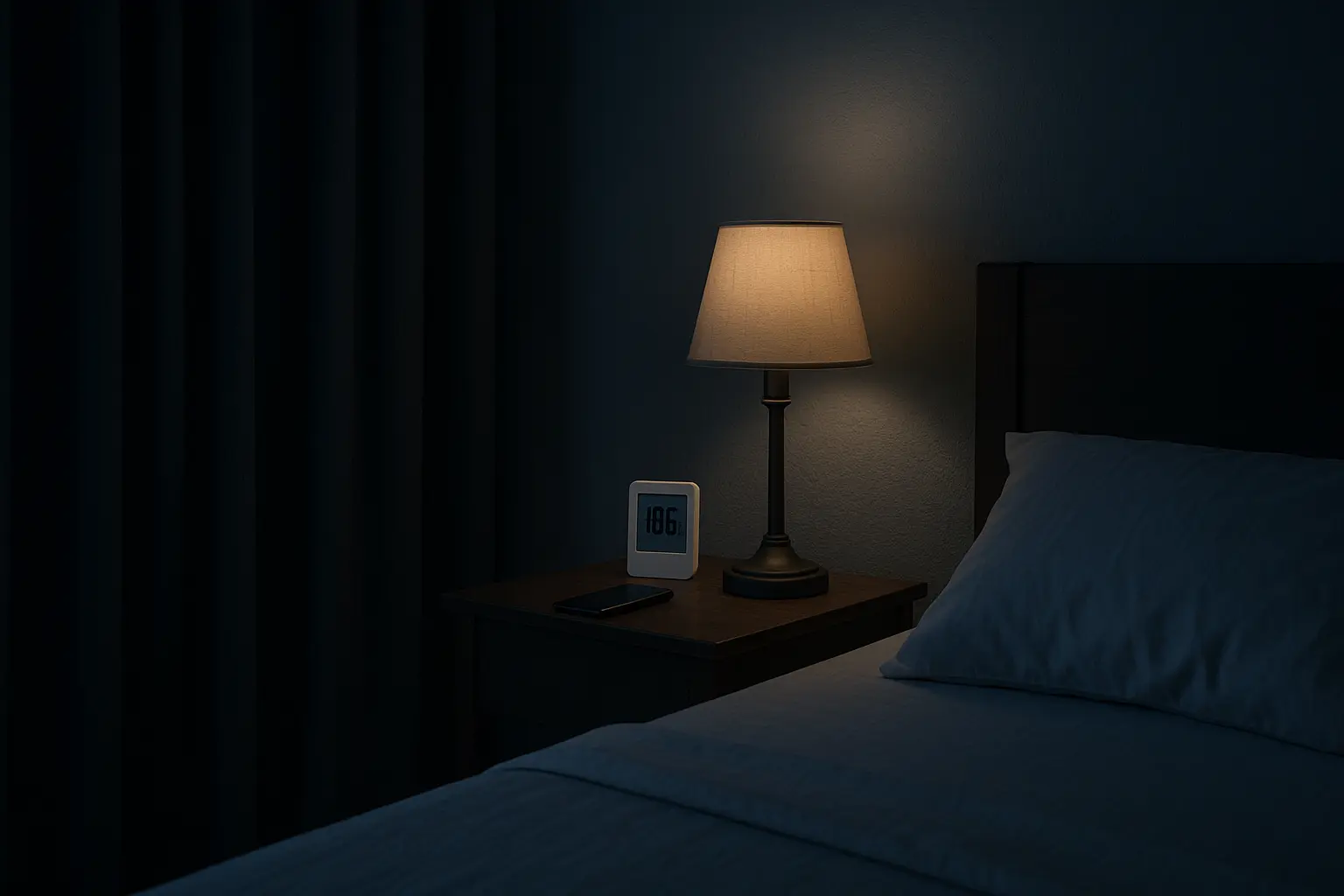
🌙 ARTICLE 5/6 — “Brain and digital life” series
In 30 seconds: Sleep cleans (the glymphatic system), repairs and recalibrates the emotional brain. Insomnia makes anxiety chronic by decoupling prefrontal–amygdalacontrol. CBT‑I is the first-line treatment for chronic insomnia and, with well-chosen habits and adjuncts, brings back healing nights.
Sleep is not passive: it is active repair
During sleep, the glymphatic systemis activated, increasing CSF–interstitial exchange and facilitating the clearance of metabolites (e.g., Aβ). Sleep deprivation, in contrast, decouples the prefrontal–amygdala control and makes us more reactive; that is why poor sleep fuels anxiety and worsens mood.
What works: from the laboratory to your bedroom

- CBT‑I (cognitive behavioral therapy for insomnia): first-line treatment for chronic insomnia; effective in in-person and digital formats with clinical supervision.
- Applied chronobiology: morning light, regular schedules, dimming bright light at night, and daily exercise (avoiding high intensity in the late afternoon/evening).
- Key behavioral techniques: time-in-bed restriction, stimulus control, sleep education, cognitive restructuring, and relapse prevention.
- Thermoregulation: a warm shower/bath 1–2 h beforehand speeds sleep onset by helping core body temperature fall.
- The Spanish context: the Sociedad Española de Sueño (SES) offers guidelines and resources for coordination with sleep units.
The integrative RENACER+ protocol (8 steps)

1) A strict routine
Fixed bedtime/wake time (±30 min).
2) Environment
Dark, cool (17–19 °C), quiet; bed = sleep/sex.
3) Screen-free evenings
90 min of digital hygiene (night mode and notifications silenced).
4) Physical activity
20–40 min/day; avoid evening HIIT.
5) Chrononutrition
A light dinner 3–4 h beforehand; limit alcohol; no caffeine for 8 h beforehand.
6) Lower stress
10–15 min of slow breathing/relaxation.
7) A warm ritual
A warm shower/bath 1–2 h before bed.
8) Structured CBT‑I
A 6–8-week program with relapse prevention.
Pharmacotherapy (when appropriate)
Useful as a brief bridge , for specific comorbidities, or if CBT‑I fails. Assess risks (tolerance, falls, cognition) and prioritize nonbenzodiazepine options or orexin antagonists when indicated and available. Always with an agreed-upon discontinuation plan and follow-up (see AASM guidelines).
Insomnia and psychiatry: a bidirectional relationship to consider
- Anxiety and depression: insomnia is a risk factor and a perpetuating factor; treating it improves overall outcomes.
- Bipolar disorder: sleep loss can precipitate hypomania/mania; strict sleep hygiene and psychoeducation.
- PTSD/trauma: address nightmares and hyperarousal (imagery rehearsal, breathing, exposure).
Brief cases (for teaching)
- “I perform better at night”: restructure beliefs and compare performance with and without sleep; regularity improves productivity for most people.
- “I wake up at 3:00”: review alcohol, rhythms, and room temperature; add a brief relaxation period in the middle of the night.
- “I get wound up in bed”: stimulus control + breathing; get out of bed if >20 min pass without falling asleep.
Frequently asked questions (FAQ)
How long does CBT‑I take to work?
Changes are usually noticeable in 2–3 weeks; consolidation in 6–8, with relapse prevention.
Do “hot baths” help?
Yes, if they are warm and 1–2 h before bed: they help with sleep onset and improve sleep efficiency.
What if I take anti-anxiety medication?
Assess risks/benefits and design a gradual tapering plan, replacing it with CBT‑I and habits when feasible.
Key sources
- American Academy of Sleep Medicine (AASM): clinical guidelines and resources.
- Sociedad Española de Sueño (SES): materials and guidelines in Spanish.
- CBT‑I and behavioral techniques: open-access reviews (PMC).
- The glymphatic system and thermoregulation: studies and meta-analyses (PubMed).
Educational information; not a substitute for clinical assessment. If there is a risk, contact 112.


